Dental Emergenc Plano TX: Tips for Handling a Bitten Tongue or Lip
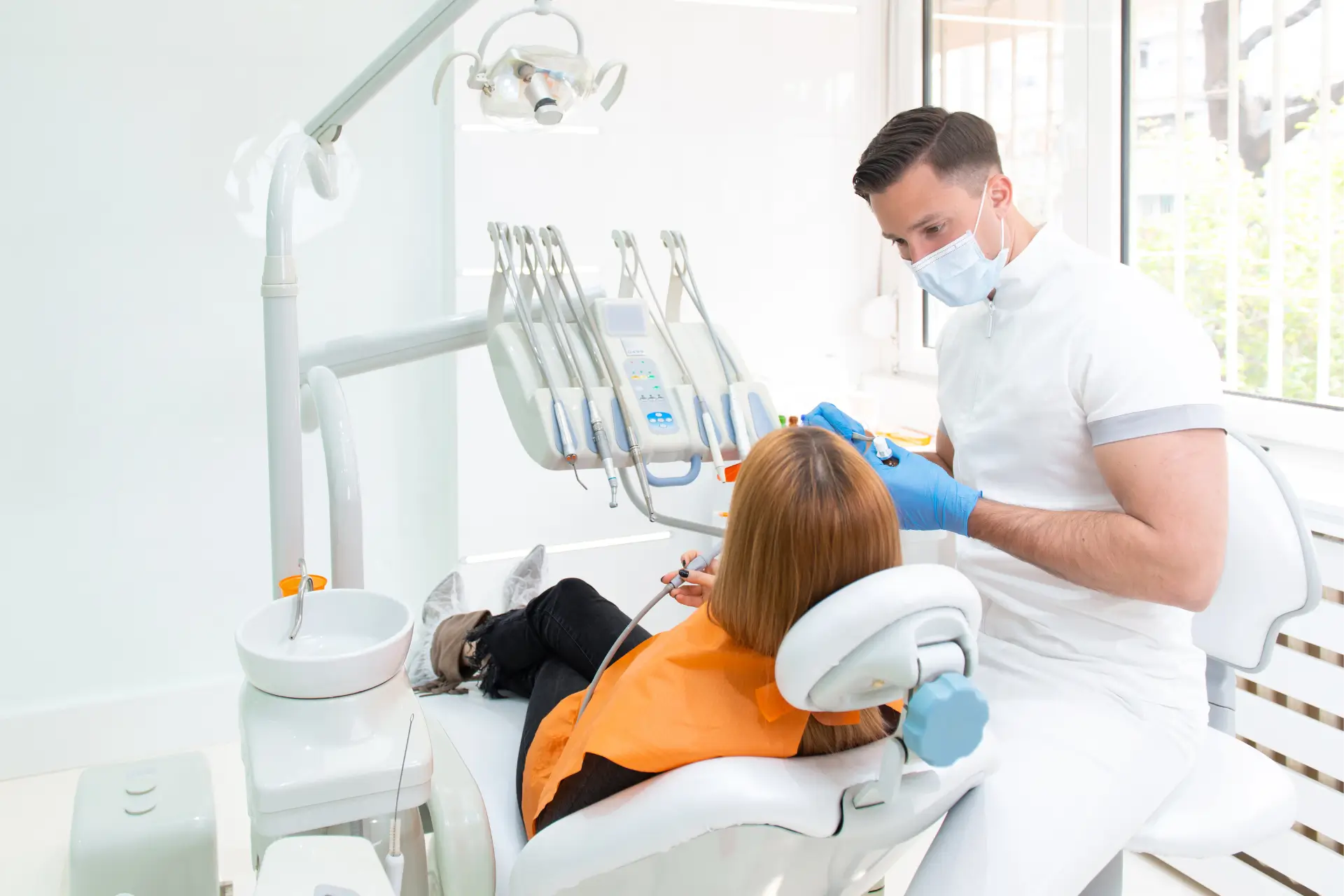
A bitten tongue or lip can look dramatic within seconds. There is blood, swelling starts fast, and a child or adult may panic before anyone has had a chance to figure out how serious the injury really is. In a dental office, these are some of the most common soft tissue injuries people call about after a fall, a sports collision, or even a numbed cheek that got chewed by accident after treatment.
Most of the time, a bitten tongue or lip heals well with simple care. The mouth has an excellent blood supply, which is why it bleeds so much and why it usually repairs itself faster than skin elsewhere on the body. Still, there are moments when home care is not enough. Deep cuts, uncontrolled bleeding, signs of infection, or damage to the teeth can turn a stressful but manageable incident into a true dental or medical emergency.
If you are searching for help related to a Dental Emergency Plano TX situation, it helps to know what you can do immediately, what you should avoid, and when a same-day dental evaluation makes sense.
Why these injuries feel worse than they often are
The first surprise for many families is the amount of blood. Even a small cut on the tongue can bleed enough to stain a towel and make the injury seem severe. The second surprise is swelling. Lips and tongues puff up quickly because the tissue is soft and highly vascular. That combination, blood plus swelling, makes people assume stitches are always needed. They are not.
In everyday practice, minor tongue and lip bites usually fall into a few familiar patterns. A child falls with their face forward and catches the lip against the front teeth. Someone bites the side of their tongue during a meal. A patient leaves the dentist with local anesthesia still active, then accidentally chews their lip without realizing it. Athletes, especially basketball and soccer players, often end up with inner lip cuts caused by a blow that forces the lip against the front teeth.
The key is not to judge the injury by how dramatic it looks in the first five minutes. Judge it by a few practical signs: whether the bleeding slows with pressure, whether the cut is shallow or gaping, whether the tongue still moves normally, and whether any teeth are loose, chipped, or broken.
What to do right away
The first ten to fifteen minutes matter most. The goal is simple: control bleeding, limit swelling, and get a clearer look at the injury.
- Rinse the mouth gently with cool water to wash away blood and help you see where the injury is.
- Apply steady pressure with clean gauze or a clean cloth if the lip is bleeding. For the tongue, pressure is harder, but a damp gauze pad can still help.
- Use a cold compress on the outside of the mouth or cheek for ten minutes at a time to reduce swelling.
- If the person is old enough to do it safely, let them suck on ice chips or hold cold water in the mouth briefly.
- Check the teeth and bite, because a bitten lip or tongue often comes with a chipped tooth or another dental injury.
Those basic measures solve many cases. What usually makes things worse is constant checking. People remove the gauze every thirty seconds to see if bleeding has stopped, which disrupts clotting and restarts the process. A better rule is to apply firm pressure and leave it in place for a full ten minutes before reassessing.
The difference between a minor bite and a wound that needs urgent care
Not every mouth injury belongs in an emergency room, but some deserve prompt professional attention. The challenge is knowing where the line is.
A small tongue bite that stops bleeding, allows normal speech, and does not split open when the tongue moves often heals without stitches. A small cut inside the lip behaves the same way. These tissues regenerate quickly, and the mouth’s moisture helps prevent the kind of hard scabbing people expect on the skin.
The picture changes when the cut is deep, jagged, or gaping. If the edges stay apart at rest, healing may be slower and scar tissue may form more noticeably. A tongue laceration that goes through a significant thickness of tissue, creates a flap, or interferes with normal movement deserves a closer look. The same is true for an outer lip injury that crosses the border between the pink lip and normal skin. That border matters cosmetically, so alignment can be important.
Bleeding is another dividing line. A cut that continues bleeding after ten to fifteen minutes of direct pressure should not be ignored. Oozing is common. Active bleeding that fills the mouth again and again is different.
Then there is contamination and dental trauma. If a tooth broke during the injury, fragments may be embedded in the lip or tongue. That is not rare. A person can bite down during impact, fracture a tooth edge, and have a tiny sharp piece lodge in the soft tissue. If the lip remains swollen and tender in one spot, or if there is a firm little lump after the event, a dental X-ray may be needed to rule that out.
The injuries that get overlooked most often
Inner lip injuries from numbness are easy to underestimate. Children are especially prone to this after fillings or other dental treatment. Their lip feels fat and strange, so they chew it repeatedly. Parents often do not notice until the anesthesia wears off and the child complains of pain. By then the inside of the lip may look white, shredded, and swollen. It can resemble infection, but in the first day or two it is usually a traumatic ulcer rather than a bacterial problem.
These cases can be uncomfortable for several days, sometimes longer than a simple accidental bite during eating. The tissue may slough and look alarming before it improves. Cold foods, good hydration, and avoiding salty or acidic snacks help. What does not help is trying to scrub the area or applying random topical products not meant for oral tissue.
Another often-missed problem is altered bite after facial trauma. Someone may focus on the lip because it is bleeding, yet the more important issue is a displaced tooth or a jaw injury. If the upper and lower teeth no longer meet the way they did before, if opening is limited, or if pain shoots into the jaw joint, the soft tissue injury may be only part of the story.
A practical way to assess the wound at home
You do not need dental training to make a reasonable first assessment. Good lighting, a calm approach, and a clean hand or gloved finger can tell you a lot. Ask the person to rinse first. Once you can see the area, look for length, depth, and whether the edges separate naturally.
A short cut that stays closed is less concerning than a longer one that gapes. Color matters too. Bright red fresh bleeding is expected early. Dark purple swelling without much active bleeding may point more toward bruising or a hematoma. For the tongue, ask the person to stick it out, move it side to side, and speak a few words. Difficulty moving it normally, beyond pain alone, is worth attention.
Do not keep stretching the tissue to inspect it repeatedly. One or two careful looks are enough. Mouth tissue is delicate, and repeated manipulation can restart bleeding and aggravate swelling.
Pain control without making the situation worse
Pain from a bitten lip or tongue tends to peak after the bleeding settles, especially once adrenaline drops. Simple measures work best. Cold is your friend https://wakelet.com/@vitalitydental1 early on. Ice chips, chilled water, and an external cold pack help with both pain and swelling.
Over-the-counter pain relievers can help if the person normally takes them safely. Many dentists suggest acetaminophen or ibuprofen when appropriate for the patient’s age and health history. The decision depends on the individual, especially for people with kidney disease, liver disease, stomach ulcers, blood-thinner use, or medication restrictions. When in doubt, check with a healthcare professional rather than guessing.
What people often regret is reaching for strongly acidic juices, spicy foods, or crunchy snacks too soon. A mouth wound that was tolerable at rest can become miserable after salsa, citrus, or tortilla chips. Softer, cooler foods are kinder for a day or two.
When you should call a dentist the same day
A same-day call is wise if there is any concern about tooth damage, persistent bleeding, severe swelling, or a cut that may need closure. In a Dental Emergency Plano TX office setting, the team is often helping patients sort out exactly this type of situation. They can usually tell from a brief description whether you should come in immediately, monitor at home, or head to urgent care or an emergency room instead.
Call promptly if the injury came from a fall or collision and the teeth look chipped, pushed back, loose, or suddenly sensitive to air. Soft tissue injuries and dental injuries often travel together. If a sharp tooth edge is left untreated, it can keep reopening the lip or tongue every time the person talks or chews.
This is also where judgment matters. A cooperative adult with a small cut and no dental damage may do well at home. A frightened young child who cannot stop crying, refuses fluids, and has substantial swelling may benefit from a professional exam even if the injury is technically minor. Dehydration and fear can complicate what would otherwise be a straightforward recovery.
When a hospital visit is more appropriate than a dental visit
Dentists handle many oral injuries, but not all of them. Trouble breathing, trouble swallowing, major facial trauma, heavy uncontrolled bleeding, suspected jaw fracture, or loss of consciousness call for emergency medical care. The same goes for injuries caused by a dirty object with concern for broader contamination, or deep cuts that extend beyond what a dental office typically manages.
An outer lip cut that is wide open and crosses the lip border may be better handled where suturing for cosmetic alignment is readily available. Likewise, if the tongue has a large laceration with uncontrolled bleeding or significant tissue separation, the emergency room may be the right setting.
The safest rule is simple: if airway, major bleeding, or significant trauma is in question, do not wait for a routine dental slot.
What healing usually looks like
Mouth wounds rarely heal in a neat, dry way. They often look worse before they look better. By the next day, the area may appear whitish or yellowish. That can be a normal healing membrane, not pus. The tissue may feel thick or uneven for a while. Swelling often peaks in the first twenty-four to forty-eight hours and then gradually recedes.
For a minor bite, many people notice real improvement within three to five days. More painful ulcers from lip chewing after numbness can take a week or a bit longer to settle. Tongue injuries can remain tender during eating even as they are healing well. The repeated motion of speech and chewing slows comfort more than it slows healing.
The biggest warning sign during recovery is not appearance alone, it is worsening symptoms. Increasing pain after initial improvement, foul odor, fever, expanding swelling, or drainage deserves reassessment.
Eating, drinking, and daily care during recovery
There is no magic mouthwash for a bitten lip or tongue. Gentle care works better than aggressive treatment. Cool water rinses after meals help keep debris out of the wound. Some people find warm saltwater rinses soothing after the first day, as long as they are mild and not overused. The goal is comfort and cleanliness, not chemical warfare.
The food choices that go best are the obvious ones: yogurt, smoothies eaten carefully with a spoon if straws are uncomfortable, scrambled eggs, oatmeal, soup that is warm rather than hot, mashed potatoes, and soft pasta. Sharp chips, crusty bread, and spicy foods are usually a mistake until the tenderness drops.
Sleep matters more than people think. Mouth injuries throb more when someone is overtired, dehydrated, or repeatedly poking the wound with their tongue. Children, especially, do better when parents can redirect attention away from the injury rather than checking it every hour.
A few mistakes that cause unnecessary trouble
Most complications from a minor bite do not come from the injury itself. They come from well-intended but unhelpful responses.
People sometimes place aspirin directly on the sore spot, which can irritate the tissue chemically. Others use hydrogen peroxide repeatedly, assuming bubbling means healing. It usually means irritation. Some try to numb the area with products that are not designed for the mouth or for young children. That can backfire quickly.
Another common mistake is underestimating the role of a broken tooth. A tiny chip can feel minor compared with a swollen lip, but that rough edge can keep slicing the same spot all week. Smoothing or restoring the tooth may do more for comfort than anything applied to the soft tissue.
Special considerations for children
Children are not just small adults in these situations. They cry harder, swallow more blood, and struggle to describe what hurts. A child who has blood in the mouth may spit, gag, or even vomit once, which scares everyone further. One isolated episode of vomiting after swallowing blood is not unusual. Repeated vomiting, lethargy, or signs of head injury are another matter entirely.
If a child bit their lip after dental numbness, the sore may not be fully visible until later. Parents often blame the dentist, when in truth this is a known risk with local anesthesia, especially in younger patients who chew the numb area out of curiosity. Good offices try to warn families ahead of time because prevention is easier than treatment. Once the bite happens, the best support is comfort care, fluids, soft food, and patience.
Children also dehydrate faster. If mouth pain is keeping them from drinking, that raises the urgency of getting advice. A child who cannot sip water because the tongue or lip is too sore may need help managing pain or ruling out a more serious injury.
Sports, braces, and repeat trauma
Athletes and orthodontic patients deserve a separate mention. Braces add friction and sharp surfaces, so a bitten lip can catch repeatedly on brackets. Orthodontic wax can be useful in that setting, not on the wound itself, but on the hardware that keeps rubbing it. Mouthguards dramatically reduce many of these injuries, yet plenty of older kids still resist them until the first bloody collision changes their mind.
Adults with sharp fillings, fractured crowns, or worn incisal edges can experience repeat tongue bites that seem random but are not. If you keep biting the same place, especially after a recent dental change, have the bite checked. Soft tissue heals poorly when it is traumatized day after day.
When a bitten tongue or lip signals a bigger issue
Sometimes the bite is the symptom, not the root problem. A sudden cheek or tongue bite during sleep may point to nighttime grinding or an ill-fitting appliance. Frequent accidental biting during meals can happen when a tooth has shifted, a filling is too high, or the bite has changed after dental work. Rarely, a neurological issue or medication effect can affect coordination and make mouth injuries more likely.
That does not mean every bitten tongue needs a workup. It means patterns matter. One mishap is ordinary. Repeated trauma in the same area deserves a closer look.
The reassurance people usually need most
The hardest part of a bitten tongue or lip is often the visual shock. Mouth injuries bleed a lot, swell quickly, and heal in a way that can look ugly midway through recovery. That is normal. If bleeding stops, the teeth are intact, and function remains normal, the body usually handles the repair surprisingly well.
Still, there is no prize for guessing wrong when the signs suggest something more serious. If the cut is deep, the swelling is severe, the bite feels off, or bleeding keeps returning, make the call. A clinician can often tell within minutes whether the injury needs closure, a dental repair, medication guidance, or simple observation.
For anyone dealing with a suspected Dental Emergency Plano TX concern, a calm first response buys time and reduces complications. Cool water, pressure, ice, and a quick check of the teeth solve the immediate problem in many cases. Knowing when not to wait is the next skill, and it is the one that protects both comfort and long-term healing.
Vitality Dental
Address: 1220 Coit Rd #106, Plano, TX 75075
Phone number: +19726454100
FAQ About Dental Emergency Plano TX
What can the ER do for a tooth?
An emergency room (ER) can manage pain and treat severe infections with medication, but it cannot fix or pull a tooth.
What is considered a dental emergency?
A dental emergency is any oral health problem that involves severe pain, uncontrollable bleeding, or an infection that threatens your health or requires immediate care to save a tooth.
Is there a 24-hour dental service in Plano, TX?
There is no physical dental clinic in Plano, Texas, that stays open with walk-in staff 24 hours a day, but several offices offer 24/7 phone support, late-night hours, or same-day emergency care.